Best Time of Year for Roof Replacement in Succasunna, NJ
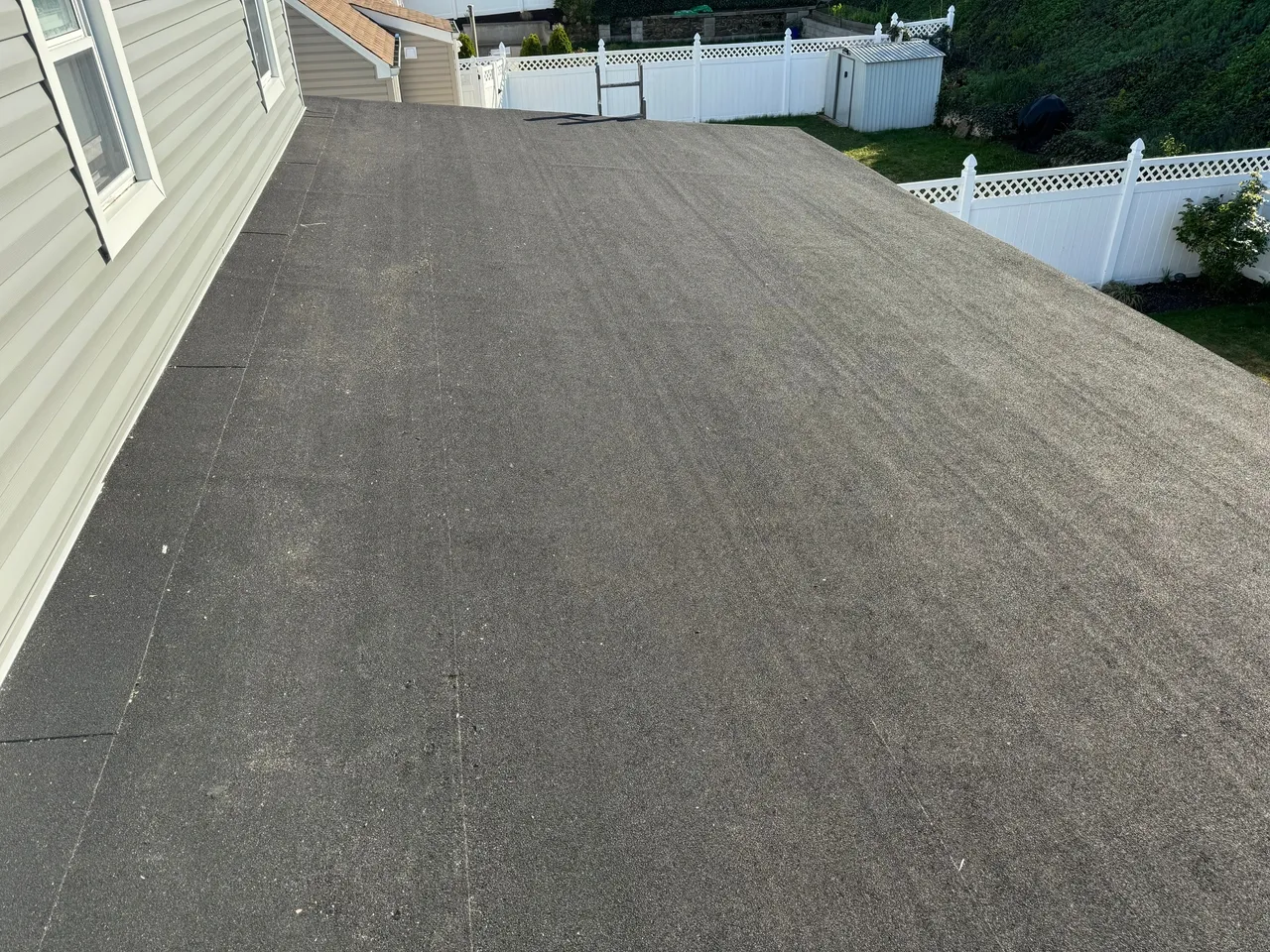
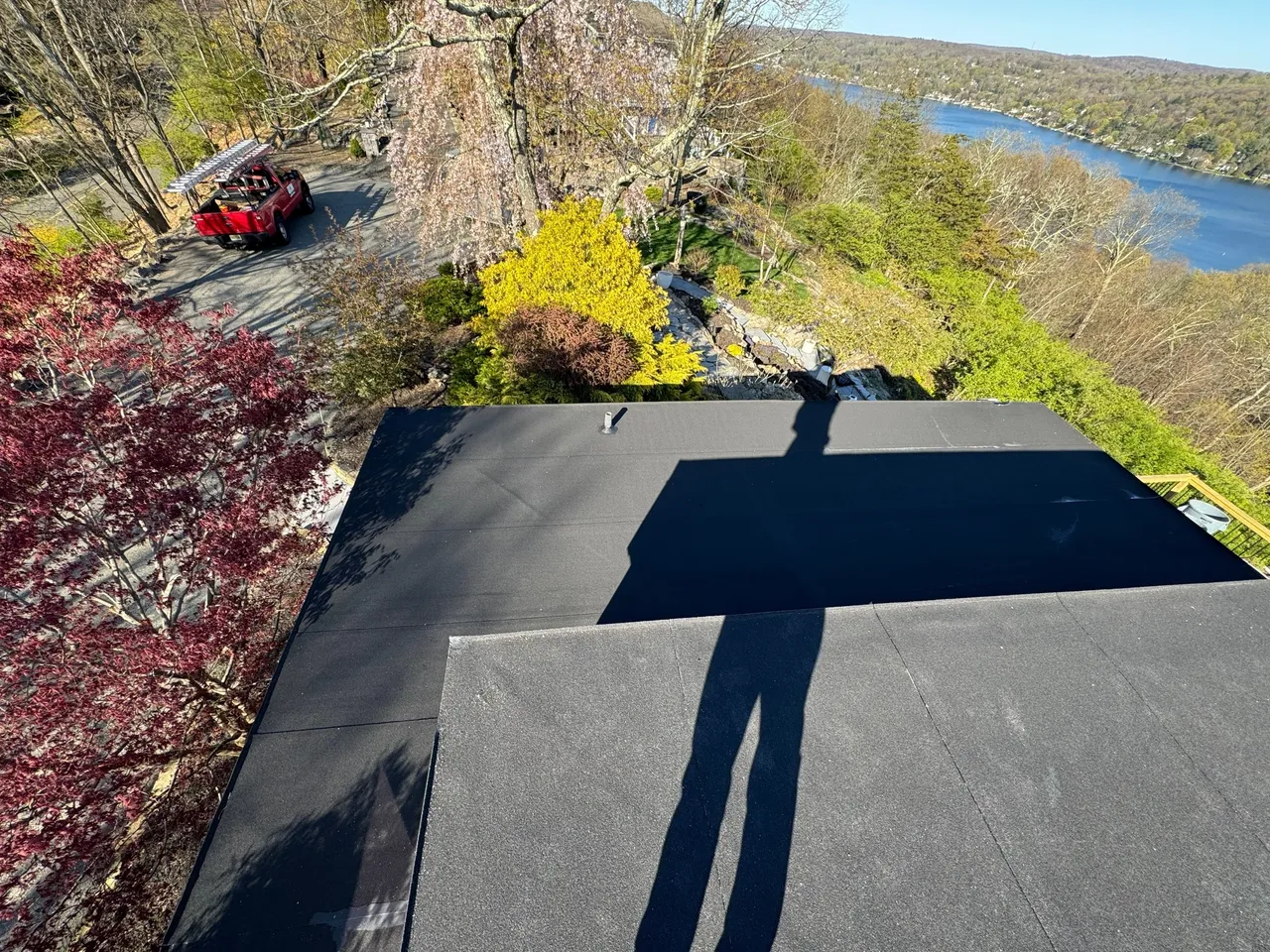
Homeowners in Succasunna tend to ask the same practical question once a roof starts failing: when should we actually replace it? Not whether the roof needs work. By the time shingles are curling, granules are washing into the gutters, or a leak has stained the bedroom ceiling, the need is usually obvious. The harder part is timing.
In Morris County, timing matters more than people expect. Roof replacement is not just about getting materials delivered and crews on site. It is tied to weather patterns, attic temperatures, daylight hours, scheduling pressure, and the condition of the roof deck underneath the shingles. A roof that can wait until the best season often costs less in stress and sometimes less in money. A roof that cannot wait should not be pushed off just because the calendar is not ideal.
For most homes, the best time of year for a roof replacement in Succasunna, NJ is typically late spring through early fall, with early to mid-fall often offering the best balance of temperature, crew productivity, and shingle performance. That said, the right answer depends on the roof’s condition, your home’s ventilation, tree coverage, and how urgent the damage is. I have seen homeowners save themselves a lot of trouble by scheduling early, and I have seen others wait one season too long and turn a straightforward project into decking repairs, insulation damage, and interior drywall work.
Why season matters more in New Jersey than in milder climates
Succasunna gets the full four-season treatment. Winters can bring snow, freeze-thaw cycles, and icy mornings. Summers can be hot and humid, especially on a dark roof with little shade. Spring and fall often offer the most workable conditions, but they come with their own complications, including rain, wind, and crowded contractor schedules.
Roofing materials respond to temperature. Asphalt shingles, the most common roofing material in the area, seal best when temperatures are warm enough for the adhesive strip to activate properly. That does not mean you cannot install them in cooler weather, because experienced crews do it every year. It does mean the shingles may take longer to fully seal, and the crew has to handle them carefully to avoid cracking or improper fastening.
The house itself also responds to season. In Roof Replacement Succasunna, NJ winter, an attic may reveal ventilation issues through frost or condensation. In summer, poor airflow becomes obvious when the upper floor turns stuffy and the attic feels like an oven. A roof replacement is often the moment when these hidden issues get corrected, but some seasons make diagnosis and installation easier than others.
Early fall often hits the sweet spot
If a homeowner asked me to pick one window for the least friction, I would look at September into October first. In Succasunna, that period usually brings moderate temperatures, lower humidity than midsummer, and enough daylight for a crew to work efficiently. Those conditions help both people and materials.
A roofing crew can move faster when they are not fighting July heat or January frost. That matters because roof replacement is a physical job, and productivity affects everything from labor efficiency to how long your house is exposed during tear-off. Shingles are easier to handle when they are not brittle from cold or overly softened by extreme heat. Sealant strips tend to perform well in mild fall weather. Homeowners also appreciate being done before winter starts testing every flashing point and every vulnerable transition around chimneys, vents, and valleys.
There is another reason fall is so popular. It gives you the chance to enter winter with a roof that sheds water properly, resists ice-related trouble better, and has all components in fresh working order. If your old roof has soft spots or marginal flashing, the first hard snow or freeze-thaw cycle can expose those weaknesses quickly. Replacing in fall removes that uncertainty.
The catch is simple. Everyone else knows fall is a good time too. Reputable contractors often have full schedules by late summer. Homeowners who wait until leaves start dropping may find themselves choosing between a later date, a rushed decision, or a contractor who happens to be available for reasons they should probably ask about.
Spring is a strong second choice, especially after winter damage
Spring is another excellent season for Roof Replacement Succasunna, NJ projects. It is often the time when winter reveals what it has been Roof Replacement Succasunna, NJ doing quietly for months. Ice dams, lifted shingles, cracked flashing boots, attic moisture, and small leaks around penetrations frequently show up once snow is gone and heavy spring rain starts coming through.
A spring roof replacement can be a smart reset. If winter has done visible damage, waiting until fall may invite more water intrusion during spring storms and summer downpours. Replacing in spring also positions the house well for summer, when attic heat and UV exposure become the next test.
Still, spring has its own personality in northern New Jersey. Rain can interrupt scheduling. One week may feel like April, the next like March. Temperatures can be ideal on some days and too cool on others for smooth production. None of that makes spring a bad time. It just means the project requires a little flexibility. Good contractors build weather delays into expectations and do not overpromise start dates during a wet pattern.
Spring is especially useful for homeowners who noticed warning signs over winter but are not in active emergency mode. Maybe there was one leak around a vent pipe after a wind-driven storm, or a patch of shingles disappeared near the ridge. In those cases, getting inspections and estimates in late winter or very early spring often opens up better scheduling options before the rush intensifies.
Summer can work well, but heat changes the equation
Summer roof replacement is common in Succasunna, and there are real advantages to it. Daylight is long. Dry stretches can make planning easier. If your roof needs extensive work, such as replacing damaged plywood sheathing or correcting poor ventilation, summer often gives crews the time and conditions to do that work thoroughly without racing sunset.
That said, summer is not automatically the best season just because the weather is generally stable. Hot roofs are hard on workers and hard on materials if the crew is careless. Dark asphalt shingles under direct sun can become very hot, soft enough that unnecessary foot traffic scuffs them or disturbs the granule surface. Experienced roofers know how to move on hot roofs, stage bundles carefully, and protect finished areas, but summer does demand discipline.
Homeowners also need to think about comfort inside the house. A roof replacement in July or August can make upper floors warmer for a day or two while sections are being stripped and rebuilt. If your attic already has poor ventilation, this is when those weaknesses become impossible to ignore. The upside is that summer replacements provide a perfect opportunity to improve ridge vents, soffit intake, bath fan venting, and insulation transitions before another winter traps moisture overhead.
I have also seen summer pricing behave in two different ways. In some years, high demand keeps schedules tight and prices firm. In others, a contractor may have strategic gaps to fill between larger jobs and can offer quicker starts. That is why homeowners should not assume a season always predicts cost. Market conditions, material pricing, and backlog matter at least as much as the month on the calendar.
Winter replacement is possible, but usually not the first choice
Some homeowners are surprised to hear that roofs can be replaced in winter at all. They can, and sometimes they should be. If a roof is actively leaking, has widespread shingle loss, or has structural soft spots from ongoing moisture, waiting for spring may be the expensive choice. Interior damage adds up quickly. Wet insulation loses effectiveness. Mold risk climbs. Ceiling repairs and repainting can become part of a problem that started as a few missing shingles.
Still, winter replacement comes with real limits. Cold temperatures can make shingles less flexible. Seal strips may not bond right away. Snow and ice create safety concerns and can pause a project. Shorter days reduce working hours. Some specialty products, adhesives, and underlayments also have application recommendations that matter in cold weather.
A capable contractor can manage winter work by watching forecasts carefully, staging materials properly, and using installation methods suited to the conditions. But if the roof is stable enough to wait, most homeowners are better served by planning the replacement for a milder season. Winter is the season for emergency action, targeted repairs, and advance planning for a full replacement once conditions improve.
The condition of the roof matters more than the season
Homeowners sometimes get too attached to the idea of the perfect month and forget the more important issue: what shape is the roof in right now? If the roof is near the end of its service life but still dry and structurally sound, then yes, timing the work for favorable weather makes sense. If the roof has repeated leaks, visible sagging, chronic ice dam issues, or rotted decking, then the best time is soon.
There are several signs that should push timing ahead, regardless of season. Interior water stains after storms are a major one. So are shingles that are curling, cracking, or blowing off in multiple areas. Excessive granule loss in gutters can indicate shingles are wearing out. Daylight visible in the attic, damp insulation, and staining on roof sheathing all suggest the roofing system is no longer doing its job.
One practical rule is this: if you are debating replacement while also setting buckets out during storms, the season has become secondary.
How tree cover and roof design affect timing in Succasunna
Succasunna has plenty of neighborhoods with mature trees, and that changes roof behavior. Heavy shade can preserve shingles from intense UV exposure, but it can also hold moisture longer after rain, encourage moss growth, and keep debris in valleys and behind chimneys. A roof under trees often ages differently from one in open sun.
A shaded roof may be slower to dry during spring and fall, which affects how quickly a contractor can start in the morning after dew or light rain. Moss and algae issues can also hide the roof’s real condition from the ground. Homeowners who have a lot of oak or maple cover should not rely on curbside impressions alone. Up-close inspection often reveals granule wear, lifted tabs, and flashing deterioration that are not visible from the driveway.
Roof complexity matters too. A simple ranch roof with broad, open planes is easier to replace in a narrow weather window than a steep colonial with dormers, valleys, skylights, and a masonry chimney. The more details a roof has, the more benefit there is in choosing a season with stable, moderate weather. Complex flashing work is simply easier to execute well when the crew is not dealing with extreme temperatures or slippery surfaces.
Scheduling early usually gives homeowners the best outcome
A lot of frustration in roofing does not come from the work itself. It comes from waiting until the roof has failed enough to force a rushed decision. The best outcomes usually happen when homeowners begin the process before the roof is in crisis.
That means getting an inspection when the roof starts showing age, not only when the ceiling starts dripping. In practical terms, if your asphalt roof is in the later part of its expected life, or if it has weathered several strong storms and winters, have it assessed. That does not obligate you to replace it immediately. It gives you options.
Here is where planning helps most:
- You can choose your season instead of accepting whatever date is available.
- You have time to compare proposals carefully, including ventilation, flashing, and warranty details.
- You can budget for possible deck repairs if hidden damage appears during tear-off.
- You can coordinate related work, such as gutter replacement or attic ventilation upgrades.
- You reduce the chance of emergency interior repairs caused by waiting too long.
That list may sound simple, but it captures the biggest difference between a controlled project and a stressful one. Homeowners who prepare ahead usually ask better questions and make stronger decisions.
Material choice can shift the best timing slightly
Most homes in Succasunna use asphalt shingles, so the seasonal discussion usually centers on that material. If you are installing architectural shingles, the mild shoulder seasons are generally ideal. They are forgiving enough for experienced crews in a range of conditions, but they still benefit from moderate temperatures for handling and sealing.
If you are considering metal roofing, the timing conversation changes slightly. Metal systems can often be installed effectively across a wider range of temperatures, though snow, ice, and worker safety still matter. Scheduling may come down more to crew expertise and detailing around penetrations than to the temperature sensitivity of the field material itself.
For specialty products, such as low-slope membranes over porches or additions, manufacturer requirements become more important. Some products have narrower installation windows for temperature and surface dryness. A trustworthy contractor will explain those limits clearly rather than forcing a product into bad conditions just to keep a calendar slot.
What homeowners should ask before setting a replacement date
The month matters, but the contractor’s process matters just as much. A well-run project in a decent season often outperforms a poorly run project in the perfect one.
Ask how weather delays are handled. Ask whether the estimate includes replacement of damaged decking if found, and how that cost is calculated. Ask how the attic ventilation will be evaluated. Many roofing problems blamed on shingles are actually made worse by poor airflow. Ask what happens if rain appears mid-project, and how the home is protected overnight if an unexpected delay occurs.
It is also worth asking how long the job is expected to take for your specific roof. A one-day replacement is common on some homes, but not all. Complex rooflines, steep slopes, and structural repairs can extend the schedule. Clear expectations help prevent misunderstandings.
Homeowners pursuing Roof Replacement Succasunna, NJ estimates should also pay attention to whether the proposal addresses local realities. Ice and water protection in vulnerable areas, proper flashing details, and ventilation suited to New Jersey’s seasonal swings are not optional details. They are central to long-term performance.
A practical timeline for Succasunna homeowners
If your roof is aging but not yet leaking, late winter and early spring are often the smartest times to start the conversation. Contractors are busy, but you may still have room to secure a preferred date for late spring or fall. If your roof has obvious storm damage after summer weather, move quickly rather than waiting for autumn slots to vanish.
For homeowners trying to balance ideal conditions with real urgency, this rough framework usually holds up well:
| Season | Typical advantages | Typical concerns | | --- | --- | --- | | Spring | Good temperatures, winter damage becomes visible, strong scheduling window | Rain delays, temperature swings | | Summer | Long days, dry stretches, efficient for larger projects | Heat, crew fatigue, hotter roof surfaces | | Fall | Excellent temperatures, good shingle performance, ready before winter | High demand, schedules fill early | | Winter | Emergency work possible, some scheduling openings | Cold handling, snow and ice, shorter days |
The table is only a guide. A sound roof can wait for the best window. A failing roof should not.
The best time is when weather, availability, and roof condition line up
There is no single date that works for every house in Succasunna. Still, the pattern is fairly clear. Early fall is often the most comfortable and reliable season for roof replacement. Spring is a close second and sometimes the better choice if winter has already exposed problems. Summer works well in capable hands, especially for larger or more complex projects. Winter is viable when needed, but usually not the preferred time for a planned replacement.
The deciding factor should be judgment, not just the calendar. If your roof has a few years left and you want the smoothest path, plan ahead for late spring or fall. If your roof is already showing failure, act before another season turns a roofing project into a repair chain inside the house.
A roof replacement is one of the largest maintenance investments most homeowners make. Good timing helps, but honest assessment and solid workmanship matter more. When those pieces come together, the result is not just a new roof. It is a house that is ready for the next run of rain, wind, heat, and snow that New Jersey always seems ready to deliver.
Royalty Exteriors
151 NJ-10 Suite 103A, Succasunna, NJ 07876, United States
+1 973-333-7234
FAQ About Roof Replacement Succasunna, NJ
What are signs a roof needs replacing?
Widespread shingle deterioration, repeated leaks, or damaged decking can point to a larger problem. A roofer can inspect the roof covering, flashing, and deck to determine whether the damage is localized or whether replacement makes more sense.
How long does it take to reroof a 2000 square foot house?
Royalty Exteriors estimates one to three days for many single-family roof replacements. A house’s floor area does not tell you the actual roof area. Pitch, roof features, weather, and any decking repairs can change the schedule.
How long should a roof last in NJ?
There is no single lifespan for every roof. Material, installation quality, attic ventilation, maintenance, and exposure to storms all affect how long a roof remains serviceable. An inspection can help you assess its condition and plan for replacement.