How Roof Replacement in Succasunna, NJ Protects Your Home From Leaks
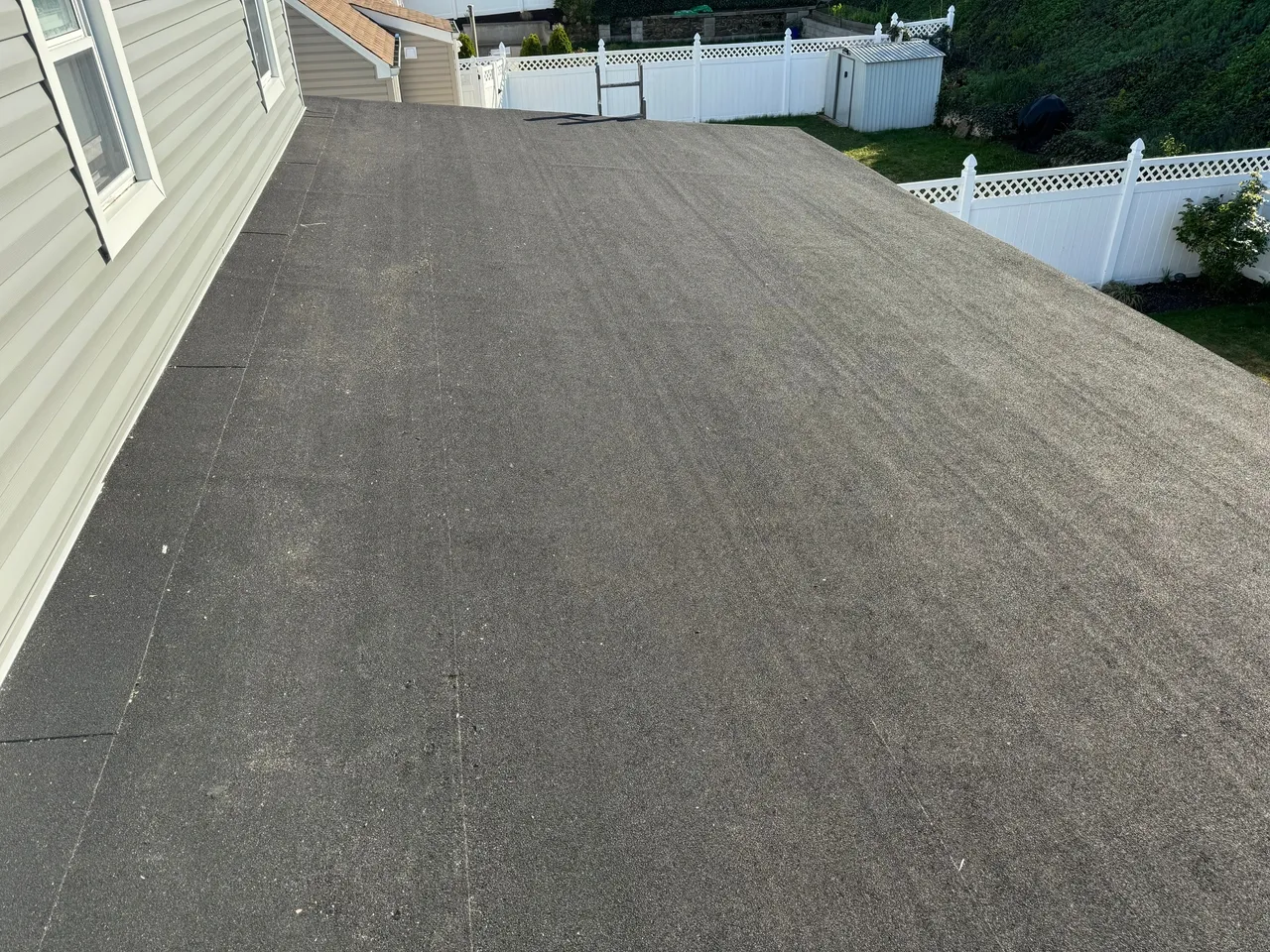
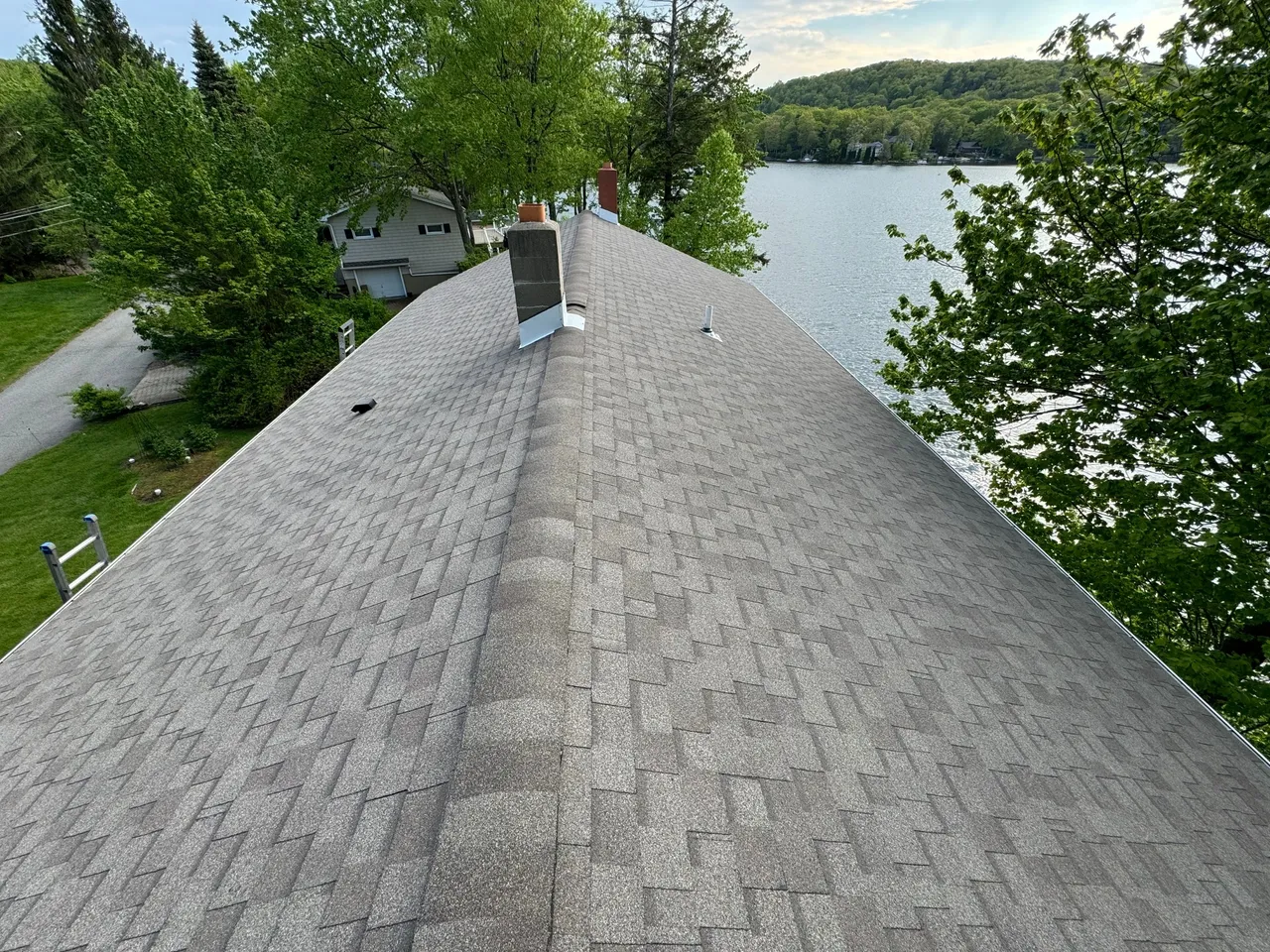

A roof leak rarely starts as a dramatic event. More often, it begins quietly, with a damp spot in an attic corner, a faint stain on drywall, or a draft that should not be there. By the time water shows inside the living space, the roofing system has usually been under stress for a while. In Succasunna, where roofs take a beating from snow, wind-driven rain, summer heat, and freeze-thaw cycles, that stress adds up fast.
Homeowners often ask whether a leak can be solved with a simple repair or whether a full replacement is the smarter move. Sometimes a repair is enough. A lifted shingle near a vent pipe or a single flashing failure can often be corrected cleanly. But when a roof is older, patched in multiple places, or showing wear across broad sections, replacement is what actually stops the cycle of recurring leaks. It does more than cover the house with new shingles. It resets the entire water-shedding system, from the surface materials to the underlayment, flashing, ventilation, and vulnerable transitions where leaks tend to start.
That is the real value of Roof Replacement Succasunna, NJ homeowners should understand. A proper replacement does not just address the spot where water appeared. It deals with the conditions that let water get in at all.
Leaks are usually symptoms, not isolated problems
One of the biggest misconceptions about roofing is that the visible leak tells you exactly where the failure is. In practice, water travels. It can enter near a chimney, move along roof decking or rafters, and show up several feet away. I have seen stains in a second-floor bedroom that traced back to a small opening high on the roof slope near a plumbing vent. I have also seen homeowners spend money patching the same area twice because the true problem was old flashing uphill from the stain.
That is why recurring leaks are so frustrating. The patch appears to work for a few months, then another storm exposes the next weak point. Older roofs often develop this pattern because roofing materials do not fail one piece at a time in a neat sequence. Once shingles lose granules, sealant strips weaken, and flashing starts to separate, the entire assembly becomes less reliable.
A replacement solves the problem at system level. Instead of chasing individual symptoms, it rebuilds the weather barrier as a unified whole. New shingles, fresh underlayment, properly lapped flashing, and updated edge protection work together to move water off the roof before it has a chance to find a path inward.
What Succasunna weather does to a roof over time
Local weather matters. A roofing system in a mild climate ages differently than one in northern New Jersey. Succasunna roofs deal with winter snow loads, ice formation along eaves, spring rains, humid summers, and wind events that can loosen materials over time. Even a good roof, installed correctly, gradually wears under those conditions.
Winter is particularly hard on older roofs. Snow itself is not always the main issue. The bigger problem often comes when heat escapes through the attic, melts snow on the upper roof, and sends water down toward colder eaves where it refreezes. That forms ice dams. Once ice builds up, water can back up beneath shingles and seep into the roof deck, insulation, and ceilings. A newer replacement roof can help reduce this risk when it includes proper attic ventilation, ice-and-water protection at vulnerable edges, and careful attention to insulation-related airflow issues.
Summer brings a different kind of strain. High attic temperatures can bake shingles from below, accelerating aging. Expansion and contraction around flashing, pipe boots, and roof penetrations can open small gaps that become leak points during the next heavy rain. Wind-driven storms then exploit those weak spots, especially on roofs that already have brittle shingles or worn sealant.
This climate pattern is why replacement often pays off more than repeated spot work on an aging roof. In a place like Succasunna, a roof needs to do more than look intact from the street. It needs to stand up to a full year of changing weather without opening hidden paths for water.
The parts of a replacement that actually stop leaks
People often talk about a roof as if shingles are the whole story. Shingles matter, but they are just one layer in a broader defense system. A replacement protects against leaks because it rebuilds the parts that manage water at each stage.
The outer roofing material sheds most of the rain and snow. Beneath that, underlayment adds a secondary barrier in case water gets past the surface. Flashing around chimneys, skylights, sidewalls, and valleys redirects water away from seams and joints. Drip edges help channel runoff properly at roof edges. Ice-and-water membrane provides added protection in vulnerable areas, especially near eaves and valleys. Ventilation controls heat and moisture buildup that can damage materials from the inside out.
If even one of those components is compromised, leaks become more likely. I have seen homes where the shingles still looked decent from ground level, but the flashing around the chimney had rusted or separated enough to let water in during every hard rain. I have also seen roofs where old underlayment had become brittle and no longer offered any backup protection once shingles began to fail.
A quality replacement addresses all of this at once. That is why it is often more durable, and more cost-effective over time, than repeatedly fixing visible trouble spots on an exhausted roof.
Why flashing failures are behind so many interior water problems
If shingles cover the broad field of the roof, flashing protects the details. Those details are where many leaks begin. Chimneys, vent pipes, valleys, dormers, and roof-to-wall intersections all interrupt the smooth flow of water. Each one needs a carefully installed transition material that can shed water even during heavy weather.
On older roofs, flashing often tells the real story. Metal can corrode. Sealants can dry out and crack. Improperly integrated flashing can separate as the roof ages. In some cases, past repairs create their own problems. Roof cement smeared around a chimney may hold for a season, but it is not a substitute for proper step flashing and counterflashing.
A full roof replacement is the best opportunity to correct those details the right way. Flashing can be replaced, integrated with new underlayment, and matched to the new roofing material. This matters because leaks do not care whether the broad field shingles are new if the transition points are still weak.
For homeowners in Succasunna with an older colonial, ranch, or split-level home, these detail areas deserve close attention. Many of the rooflines common in the area include valleys, intersecting slopes, attached garages, or masonry chimneys, all of which increase the number of places where water management has to be done correctly.
When repair stops making sense
There is no universal age when every roof must be replaced, and any honest contractor will tell you that. Some roofs fail early due to poor installation. Others perform well for years with good ventilation and routine maintenance. The decision usually comes down to the roof’s overall condition, not just one number on a calendar.
A few signs often indicate replacement is the better answer:
- leaks in multiple areas or leaks that return after prior repairs
- shingles that are curling, cracking, bald, or missing in several sections
- soft roof decking, sagging areas, or moisture in the attic
- flashing failures at more than one penetration or roof transition
- a roof nearing the end of its expected service life with active water issues
If one pipe boot is worn out on an otherwise healthy roof, repair is reasonable. If the roof has been patched around vents, valleys, and chimneys for years, the economics shift. At that point, you are paying to extend a failing system in short increments. Replacement usually costs more upfront, but it often reduces repair bills, interior damage risk, and homeowner stress.
A replacement can protect far more than the roof deck
When water gets through a roof, the damage is rarely limited to one visible stain. Leaks can wet insulation, reduce its effectiveness, stain ceilings, warp trim, damage framing, and create conditions where mold may develop. Even a modest leak can become expensive if it goes unnoticed through part of a season.
I once walked through a home where the owner thought the problem was a minor drip near a bathroom fan. The actual issue had been developing for much longer. Water had entered higher up, traveled along framing, dampened insulation, and softened a section of roof decking. The ceiling stain was small. The hidden repair area was not. That kind of scenario is common because homes conceal water damage well until enough material is affected.
This is another reason Roof Replacement Succasunna, NJ homeowners invest in can be so protective. It is not just about the roof surface. It is about preventing collateral damage inside the house. A dry attic, sound insulation, intact drywall, and stable framing all depend on a roofing system that keeps water outside where it belongs.
Ventilation and leak prevention are closely connected
Homeowners do not always connect ventilation with leaks, but the relationship is real. Poor attic ventilation creates heat and moisture problems that shorten roof life and contribute to water-related damage. In winter, trapped warm air can encourage snow melt and ice dam formation. In summer, excessive attic heat can age shingles prematurely and stress sealants around penetrations.
A thoughtful replacement includes a review of the attic environment, not just the roof covering. Ridge vents, soffit intake, and balanced airflow can help the roof perform the way it was designed to. That does not mean every home needs a major ventilation overhaul. Some homes already have a decent setup. Others need targeted improvements to correct long-standing airflow problems.
The key point is that replacement gives contractors a chance to see the full picture. If ventilation is ignored, a brand-new roof may still face the same moisture and temperature stresses that hurt the old one.
Ice and water protection matters in North Jersey
In areas that see snow and freezing temperatures, leak protection at the eaves and in other high-risk zones is especially important. This is where membrane products, often called ice-and-water shield, make a real difference. Unlike standard underlayment, these materials are designed to resist water intrusion in places where backup or pooling can occur.
That extra layer is especially valuable around roof valleys, penetrations, and lower edges where ice dams are most likely to cause trouble. Not every roof has the same geometry or exposure, so the exact application varies. But for homes in Succasunna, this part of the replacement is not a minor upgrade. It is often one of the strongest defenses against the kind of cold-weather leaks that appear after a snowstorm followed by a thaw.
A cheap replacement that skips critical protection details may still look good from the driveway. The difference shows up later, during the first hard winter or wind-driven rain.
Why workmanship matters as much as materials
Homeowners naturally compare shingle colors, brands, and warranties, but installation quality has just as much impact on leak protection as the product itself. A premium shingle installed poorly can fail faster than a midrange product installed with care.
Nailing patterns matter. Flashing sequences matter. Vent integration matters. So does cleanup of the old roof so new materials sit flat and seal correctly. Even something as basic as aligning courses properly affects how water moves off the roof.
This is where experience shows. A seasoned crew tends to notice details that less experienced installers miss, such as a subtle low spot near a valley, soft decking around an old vent opening, or evidence of past moisture around chimney framing. Correcting those issues during replacement can prevent future leaks that would otherwise be blamed on the new roof.
A good roofing contractor should be willing to explain what will be replaced besides shingles, how vulnerable areas will Roof Replacement Succasunna, NJ be handled, and whether any decking repairs are anticipated. Clear communication is usually a sign that the contractor is thinking about the roof as a system, not just a quick tear-off and install.
The hidden role of roof decking
Roof Replacement Succasunna, NJDecking does not get much attention until there is a problem, but it is critical to leak protection. If roof decking has softened from prior moisture exposure, new shingles alone will not solve the issue. Nails may not hold as they should, low spots can collect water, and the roof surface can become uneven.
During replacement, damaged decking can be identified and replaced. This is one of the reasons a full replacement often delivers better leak protection than repeated overlay-style fixes or cosmetic patching. It gives the crew access to the structural surface beneath the roofing materials.
Homeowners sometimes worry when they hear that sections of decking may need replacement. It is understandable. Nobody likes surprise costs. But catching bad decking during a planned roof replacement is far better than discovering it after a leak has spread into insulation and ceilings.
How to think about cost without focusing only on the bid number
Roof replacement is a major expense, and no serious homeowner treats it casually. Still, comparing estimates only by price can be misleading. Two bids may look similar on the surface while including very different levels of protection. One may replace flashing and install robust water barriers in key areas. Another may reuse questionable components or skimp on leak-prone details.
The cheapest roof is not always the least expensive roof to own. If a lower bid leads to interior repairs, repeat service calls, or premature failure, the savings disappear quickly. The better way to evaluate cost is to think in terms of protection and longevity. What are you getting for the money, and how well is that scope likely to protect the house from future leaks?
A useful question to ask a contractor is simple: what is being done to prevent water entry at the roof’s most vulnerable points? The answer should be specific. If it stays vague, that is a warning sign.
Timing matters more than many homeowners realize
A roof that is actively leaking has already moved beyond cosmetic concern. Even small water intrusion can worsen quickly with another storm cycle. Waiting too long can turn a straightforward replacement into a larger project that includes insulation removal, mold remediation, drywall replacement, or framing repairs.
That said, replacement should also be planned thoughtfully when possible. If your roof is showing age, has had several repairs, and is beginning to leak intermittently, it is usually smarter to act before widespread interior damage appears. Scheduling proactively also gives you more freedom to choose the right contractor and review scope carefully, instead of making a rushed decision in the middle of an emergency.
For homes in Succasunna, late summer through fall is often a practical time to address aging roofs before winter weather arrives. But leaks do not always respect ideal calendars. If the roof is failing, prompt evaluation matters more than the season.
What homeowners can do before and after replacement
A new roof does not require constant attention, but a little awareness goes a long way. Before replacement, document where leaks have appeared, note whether they happen during rain or after snow, and mention any attic moisture concerns to the contractor. That context can help identify patterns that are not obvious from an exterior inspection alone.
After replacement, it is wise to keep gutters clear, watch for storm debris, and have the roof visually checked after major weather events if anything seems off. Most new roofs should not need frequent repairs, but no roofing system is completely immune to fallen branches, unusual wind exposure, or damage from other trades working nearby.
Here are a few habits that help protect your investment:
- keep gutters and downspouts draining freely
- trim overhanging limbs that can scrape shingles or drop debris
- check the attic occasionally for moisture, stains, or unusual drafts
- address small exterior issues early before they become leak paths
These are simple steps, but they support the performance of the replacement over the long term.
Why replacement often brings peace of mind as much as protection
There is a practical side to roof replacement, and there is also a psychological one. Homeowners living with an unreliable roof tend to monitor every storm forecast, every ceiling mark, every drip sound in the night. That low-grade worry wears on people. Once the roof is properly replaced, that tension usually lifts.
The peace of mind is earned, not sentimental. A replacement reduces uncertainty because it eliminates many of the hidden weak points that piecemeal repairs leave behind. Instead of hoping the next patch holds, you have a renewed system designed to manage water the way it should from the start.
For families in Succasunna, that matters. A home is not protected by appearances alone. It is protected by layers of sound construction doing quiet work every day and every season. When a roof reaches the point where leaks are becoming part of homeownership, replacement is often the move that restores that protection in a lasting way.
A roof does not need to be perfect forever. It does need to be reliable when weather turns against it. That is exactly what a well-executed roof replacement is meant to provide.
Royalty Exteriors
151 NJ-10 Suite 103A, Succasunna, NJ 07876, United States
+1 973-333-7234
FAQ About Roof Replacement Succasunna, NJ
What are signs a roof needs replacing?
Widespread shingle deterioration, repeated leaks, or damaged decking can point to a larger problem. A roofer can inspect the roof covering, flashing, and deck to determine whether the damage is localized or whether replacement makes more sense.
How long does it take to reroof a 2000 square foot house?
Royalty Exteriors estimates one to three days for many single-family roof replacements. A house’s floor area does not tell you the actual roof area. Pitch, roof features, weather, and any decking repairs can change the schedule.
How long should a roof last in NJ?
There is no single lifespan for every roof. Material, installation quality, attic ventilation, maintenance, and exposure to storms all affect how long a roof remains serviceable. An inspection can help you assess its condition and plan for replacement.