Roof Repairs for New Homeowners: A Smart Starting Guide
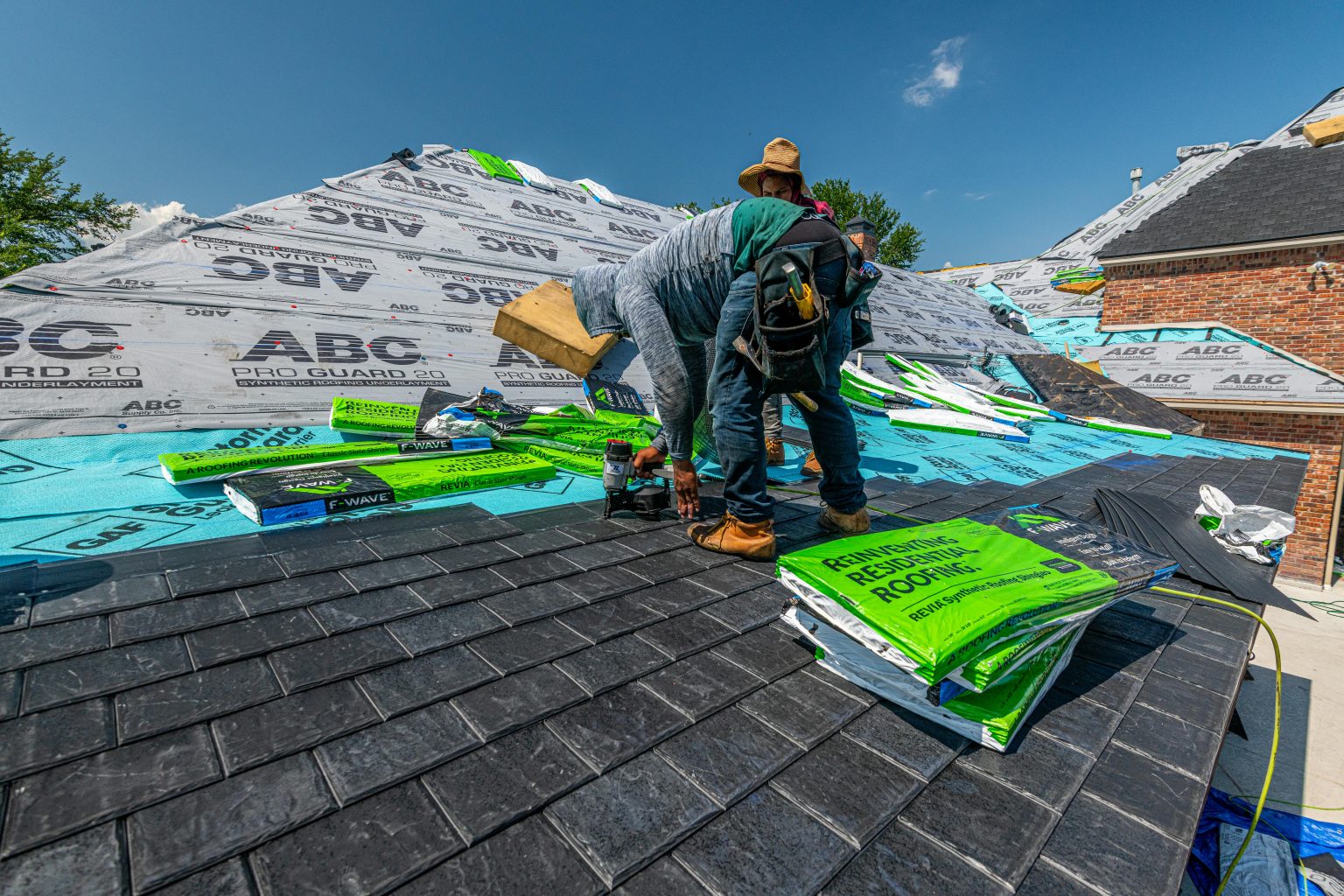
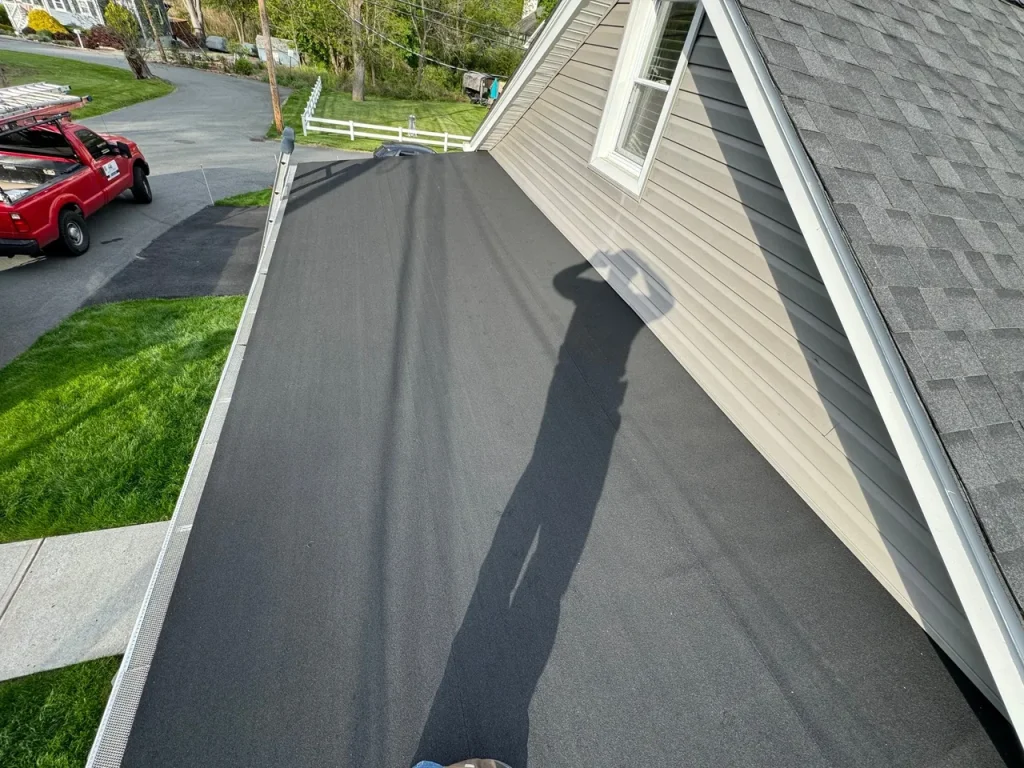
Buying a home often comes with a strange mix of pride and delayed panic. You get the keys, walk through the rooms, start picturing furniture, paint colors, weekend projects, and then one rainy afternoon you look up and realize the roof is now your problem. Not the seller’s, not the landlord’s, yours.
That moment catches a lot of first-time homeowners off guard. A roof is easy to ignore when it seems to be doing its job. It sits overhead, out of sight, until a ceiling stain appears, a shingle lands in the yard, or a neighbor casually mentions that your flashing looks rough around the chimney. Roof repairs have a way of moving from invisible to urgent in a hurry.
The good news is that most roofing problems do not begin as disasters. They start small. A lifted shingle, cracked sealant, a nail backing out, a clogged valley, a tiny leak around a vent boot. New homeowners who learn how to spot the early signs, ask the right questions, and make repair decisions calmly usually spend less money over time and avoid the kind of cascading damage that turns a roof issue into an attic, insulation, drywall, and mold issue.
Your roof is not one thing
One reason roof repairs feel confusing is that people talk about “the roof” as if it were a single surface. In practice, it is a system made up of layers and transition points. The shingles or metal panels are what most people notice first, but leaks often start elsewhere. Flashing around chimneys, skylights, and wall intersections is a frequent trouble spot. So are vent penetrations, valleys where water concentrates, and gutters that allow water to back up under roof edges.
Roof RepairsThe age of the roof matters, but age alone does not tell the whole story. I have seen fifteen-year-old roofs fail early because attic ventilation was poor and moisture cooked the shingles from underneath. I have also seen older roofs hold up surprisingly well because they were installed carefully, had balanced ventilation, and were repaired promptly when small defects appeared.
For a new homeowner, the practical takeaway is simple. Do not judge roof condition by curb appeal alone. A roof can look decent from the driveway and still have vulnerable details that deserve attention.
What deserves your attention in the first year
The first year in a house is when you should get acquainted with how water moves across the property. Watch the roof during heavy rain if you can do so safely from the ground or from a window with a good view. You can learn a lot in ten minutes. Look for water overshooting gutters, pooling near valleys, or pouring from one section more heavily than the rest. Uneven runoff sometimes points to a blockage, an alignment problem, or hidden sagging.
Inside the house, pay attention to the attic if you have access. A dry attic with no odd smells is reassuring. A damp attic, dark staining on sheathing, rusted nail tips, compressed insulation under a roof deck leak, or visible daylight where it should not be visible are all signs that deserve a closer look. Sometimes the first evidence is subtle. You might notice a bathroom ceiling paint bubble after a storm, or a persistent musty smell in an upstairs closet near the eaves.
If your home inspection mentioned the roof, pull that report back out. Buyers often skim the roofing section because nothing seemed urgent at closing. Re-read the comments. Phrases like “monitor,” “near the end of service life,” “evidence of previous patching,” or “recommend evaluation by licensed roofer” should move back onto your radar. An inspection report is not a repair plan, but it can tell you where the weak spots are likely to be.
The difference between wear and failure
Many new homeowners panic when they see signs of aging. Some wear is normal and does not mean the roof is actively failing. Asphalt shingles lose granules over time. Sealant dries out. Colors fade. Minor scuffing may appear after storms or foot traffic. These are not good signs, exactly, but they are not always emergency signs.
Failure is different. Failure usually shows up as missing shingles, lifted tabs that wind can catch, cracked flashing, active leaks, exposed underlayment, soft decking, water intrusion around penetrations, or sagging that suggests structural or sheathing issues. If you can connect a visible defect with water entry or a high likelihood of water entry, you are no longer in “watch and wait” territory.
The hard part is that the line between wear and failure is not always obvious from the ground. That is why a targeted professional inspection, separate from the original real estate inspection, is often money well spent. It is especially useful if the roof is more than ten to fifteen years old, the house has a complicated roofline, or the prior owner left little maintenance history.
A smart first inspection, without creating a safety hazard
Some homeowners are comfortable using a ladder and walking a roof. Many are not. For a first-time owner, restraint is often the smarter move. Falls are more common than people think, and even a one-story roof can be dangerous, especially if shingles are brittle, damp, or covered in granules.
Start with what you can see safely from the ground. Use binoculars if needed. Walk the perimeter and look at ridges, valleys, penetrations, and roof edges. Then inspect the attic and the upper ceilings inside the house. If you want a closer look, hire someone who does this daily and carries proper insurance.
Here is a useful first-pass checklist for the first few months after move-in:
- Look for missing, curled, or cracked shingles from the ground.
- Check ceilings and attic spaces after a heavy rain.
- Inspect gutters for heavy granule loss, loose fasteners, and overflow marks.
- Examine flashing areas around chimneys, skylights, and vents for visible gaps or rust.
- Review your home inspection notes and compare them with what you see now.
That kind of basic review catches more than people expect. It also gives you a baseline, which matters. Roof problems are easier to manage when you know whether a stain is brand new or has looked the same for six months.
Why small leaks get expensive fast
Water almost never stays where it first enters. That is one of the most frustrating parts of roof repairs. A tiny failure near a vent boot might show up as a stain several feet away on a ceiling. Water can run along rafters, soak insulation, darken roof sheathing, and travel down wall cavities before becoming visible.
This is where repair delays become costly. A minor repair in the low hundreds can turn into several thousand dollars if wood rot sets in or interior finishes need replacement. If moisture lingers, mold concerns enter the picture, and remediation costs can outpace the roofing work itself.
I once saw a homeowner postpone a small flashing repair around a chimney because the stain on the bedroom ceiling “didn’t seem to be getting worse.” It was summer, so the leak went quiet for a while. By the time fall storms arrived, the sheathing around that section had softened enough that the repair expanded from a flashing job to partial deck replacement, insulation replacement, drywall repair, and repainting. The original issue was simple. The delay was expensive.
When a repair makes sense, and when it doesn’t
Not every aging roof needs replacement. Not every leak can be solved with a patch. The right answer depends on the roof’s age, the type and location of the defect, the quality of the existing installation, and whether repairs would simply chase symptoms on a system that is already spent.
A well-executed repair makes sense when the roof is generally in decent shape and the problem is localized. A few storm-damaged shingles, failed pipe boots, isolated flashing defects, or a minor leak near one roof penetration can often be repaired effectively.
Repairs become less sensible when defects are widespread, when previous patching is all over the roof, when shingles are brittle and difficult to lift without causing more breakage, or when the roof is already near the end of its realistic service life. In those cases, spending money on repeated spot fixes can feel cheaper in the short term but cost more over a two- or three-year stretch.
There is also the insurance and warranty angle. Some manufacturers’ warranties and some workmanship guarantees have limits that matter when repair work is piecemeal or done by multiple contractors. If the roof is relatively new, ask for documentation before authorizing major work. You want to know what is still covered and what is not.
The repair priorities that matter most
When money is tight, and for many new homeowners it is, not every roof issue can be handled at once. Prioritizing well can prevent a lot of regret later. In general, this is the order I would think about it:
- Active leaks and any defect allowing current water intrusion.
- Flashing failures around chimneys, walls, skylights, and vents.
- Wind damage that could worsen quickly in the next storm.
- Drainage problems involving clogged valleys, failing gutters, or edge overflow.
- Cosmetic aging with no current water entry.
This is not a rigid rule, but it is a practical one. Water entry always outranks appearance. A roof that looks old but stays dry is less urgent than a newer roof leaking at one bad transition.
Finding the right roofer without getting steamrolled
Roofing is one of those trades where quality varies dramatically. There are excellent contractors who diagnose carefully, explain options clearly, and stand behind their work. There are also crews who knock doors after storms, offer quick patches with vague terms, and disappear when the repair fails six months later.
As a new homeowner, you do not need to become a roofing expert overnight, but you do need a process. Get more than one estimate when the issue is not an emergency. Ask each contractor to explain the cause of the problem, not just the proposed fix. If two roofers recommend completely different solutions, press for specifics. Where exactly is the failure? What materials are being replaced? Is the repair visible from photos? Will decking be checked once the area is opened?
A trustworthy contractor usually has no trouble discussing trade-offs. They might tell you a repair will likely buy you three to five years, not ten. They might say a full replacement is not necessary yet, but the roof is entering the stage where more repairs are likely. That kind of honesty is useful. Be wary of certainty that sounds too neat, especially when paired with pressure to sign quickly.
Written scope matters. “Repair leak near chimney” is too vague. “Remove shingles and flashing at chimney apron and step flashing area, inspect decking, replace damaged flashing, install ice and water shield as needed in repair zone, re-shingle to match as closely as possible, seal and test” is better. Specific language protects both sides.
Costs, expectations, and why estimates vary so much
New homeowners are often surprised by how wide roofing estimates can be. Part of that is material. Part is labor. Part is how different contractors define the job. One company may price only the visible repair. Another may include removal of adjacent materials to correct the root cause properly. The cheaper number is not always the better value.
Simple roof repairs can run from a few hundred dollars into the low thousands depending on access, steepness, materials, and whether hidden rot is found. A straightforward pipe boot replacement on an accessible asphalt shingle roof is a very different job from correcting a leak around a chimney on a steep two-story roof with brittle shingles and questionable past repairs.
It helps to think in terms of scenarios rather than one fixed budget number. Ask what the base repair includes, what could increase the price after work begins, and how those additional costs would be documented. Good contractors usually build in a process for hidden damage. They will tell you, for example, that if they uncover deteriorated decking, they will photograph it, explain the added cost per sheet or per area, and get approval before proceeding.
Materials matter more than many owners realize
If your home has asphalt shingles, which many do, matching can be an issue even when the repair is technically sound. Sun exposure changes color over time, and manufacturers update product lines. A repaired area may not blend perfectly. That is normal. New homeowners sometimes fixate on the cosmetic mismatch, but function should come first.
If your roof is metal, tile, slate, or wood, the repair conversation gets more specialized. Tile can break under foot traffic. Slate needs the right tools and techniques. Metal systems have unique flashing and fastening considerations. In those cases, general roofing experience is not always enough. You want someone who regularly works with that specific material.
Even within common materials, details matter. Sealants are not all equal. Flashing metal gauge matters. Underlayment choices matter. Fastener placement matters. Many of the worst roof repairs I have seen were not caused by bad intent. They were caused by shortcuts at the detail level, often by someone who treated every roof as basically the same.
Storms, insurance, and documentation
After a strong wind or hail event, inspect the property promptly. Look for shingles in the yard, dented metal components, bent gutters, or debris impact. Take photos even if you are not sure whether damage is serious. Documentation is easier to gather right away than three months later when you are trying to remember what changed and when.
If you think insurance may be involved, read your policy language or call your carrier before signing any contingency-heavy contract. Some policies cover certain storm damage but not wear, maintenance neglect, or old age. That distinction matters. A contractor can identify likely storm damage, but they do not decide coverage. Keep that line clear.
It also helps to create a simple home maintenance folder. Save inspection notes, repair invoices, before-and-after photos, and warranty information. This does not sound glamorous, but it pays off. If another issue shows up later, those records help a roofer understand what was done previously and help you avoid paying twice to diagnose the same area.
The attic often tells the truth
One of the best habits a homeowner can develop is checking the attic a few times a year, especially after a hard rain or a snow event followed by thawing. Roof surfaces can hide problems. The attic usually does not. Staining, damp insulation, moldy odors, frost on nails in winter, and poor airflow are all clues.
Ventilation deserves special mention because many roof problems are blamed on weather when they are really tied to trapped heat and moisture. An attic that runs too hot in summer can accelerate shingle aging. An attic that holds moisture in winter can contribute to condensation that looks a lot like a roof leak. The fix may involve ventilation improvements rather than exterior repairs alone.
That does not mean every roofer must also be an attic science expert, but the best ones understand how the two interact. If a contractor proposes major work without asking anything about ventilation, insulation, or attic moisture, that is worth noting.
Maintenance is not glamorous, but it works
A lot of roof repairs are preventable or at least delayable. Clearing gutters, trimming back branches that scrape shingles, removing debris from valleys, and addressing minor sealant failures early can meaningfully extend service life. None of this is exciting. It is just effective.
If you are hiring out maintenance, try to pair it with inspection. Someone cleaning gutters should notice if granule loss is heavy, if a downspout is backing up, or if flashing has pulled away. If you are doing it yourself, take your time and document what you see. A few phone photos each season build a visual timeline that becomes surprisingly valuable later.
One caution here: “maintenance” should not become a cover for random caulking. Homeowners often try to solve leaks by applying roof cement or sealant wherever they suspect water might be getting in. Sometimes that helps briefly. Just as often it traps water, creates mess, or makes a proper repair more difficult. Use sealants with purpose, not as a blanket strategy.
A calm approach saves money
The first roof problem you face as a homeowner can feel bigger than it is. The key is not to minimize it, but to assess it with a clear head. Confirm whether water is actively entering. Identify where the likely failure is. Bring in a qualified roofer when needed. Get the scope in writing. Prioritize function over appearance. Keep records. Then handle the repair before a small issue gets the chance to grow teeth.
That is the real smart starting point for roof repairs. Not fear, not guesswork, not waiting for the stain to spread. Just steady attention, good information, and timely action.
A roof does not ask for much when it is cared for properly. It asks for observation, occasional repair, and respect for the fact that nearly everything inside your home depends on what is happening above it. For a new homeowner, that is not bad news. It is one of the clearest places where a little diligence pays back for years.
Royalty Exteriors
151 NJ-10 Suite 103A
Succasunna, NJ 07876, United States
+1 973-333-7234
FAQ About Roof Repairs
Can you fix a roof leak without replacing the whole roof in Succasunna,NJ?
Often, a localized leak can be repaired without replacing the entire roof, depending on its cause and the condition of the surrounding materials. Damaged shingles, flashing, or a roof penetration may need targeted work. Royalty Exteriors offers roof repairs for leaks, storm damage, and shingle issues. An inspection is needed to determine the appropriate scope.
What is considered a minor roof leak?
A leak may be considered minor when the damage is limited to a small area and the surrounding roofing remains sound. A small ceiling stain alone does not establish the extent of the problem because water can travel before becoming visible. Have the source and any concealed damage assessed promptly.
Is it better to repair or replace a leaky roof?
The decision depends on the roof's age, overall condition, leak source, extent of damage, and history of previous repairs. A localized problem on an otherwise serviceable roof may be suitable for repair. Widespread deterioration or recurring leaks may justify considering replacement. Ask for an inspection and a written explanation of the recommended work before deciding.